

· Max Lowery · Podcast Episode · 2 min read
#74 Emotional Eating? (The Truth No One Tells You)
Emotional eating is more common than you think! Last week, we explored how stress and emotions can trigger a craving for comfort foods. But are you really just eating out of hunger or is something deeper going on?
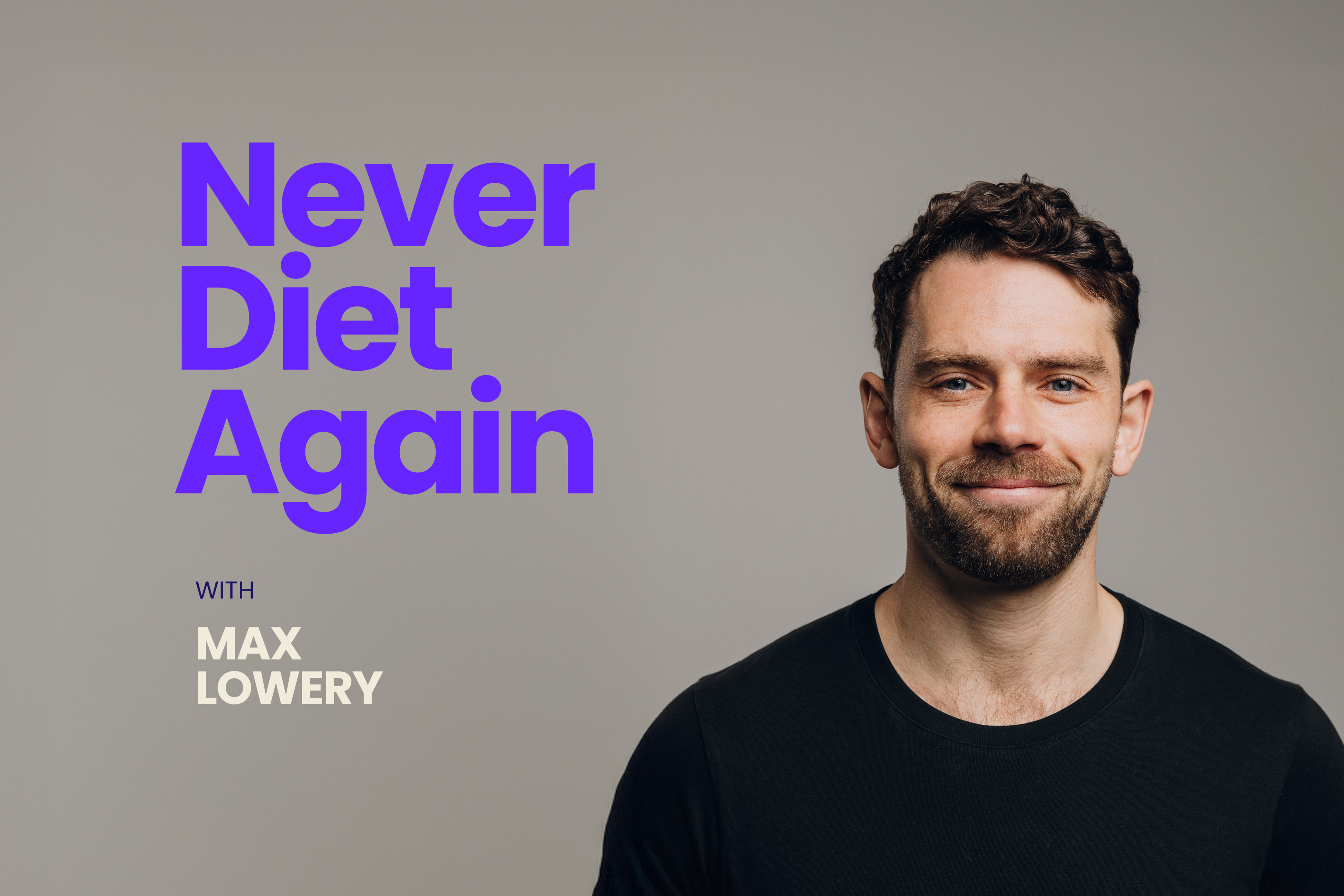
🎧 Prefer to listen on the go? Click on the podcast episode below!
Your current privacy settings prevent us from loading and showing you this embedded podcast.
Stop Emotional Eating (Without Willpower)
Big idea: If you eat when you’re stressed, bored, overwhelmed, “deserve a treat,” or to avoid tasks—you’re emotionally eating. It’s not a willpower problem; it’s an unmet-needs problem. And it can add 3,000–5,000 extra calories/week.
What emotional eating really is
It’s any eating without physical hunger (stress, boredom, procrastination, reward, numbing, “screw it” binges).
It’s a learned coping strategy (often from childhood) your brain runs on autopilot.
Why diets keep failing you
They focus on what to eat. They ignore why you eat. When life gets lifey (work, kids, hormones, stress), rules collapse—and you blame yourself.
The PREP Test (name the need)
P – Painkiller: sadness, guilt, loneliness (food to soothe hurt)
R – Reward: exhaustion, relief, “I earned this” (you need rest, not a treat)
E – Escape: stress, overwhelm, boredom (food as a pause button)
P – Punishment: shame, anger, self-criticism (“screw it” eating)
The Habit Loop (and how to break it)
Trigger → Behavior → Relief.
You can’t always stop the trigger, but you can swap the behavior to meet the same need.
Create your “Needs List” (3–5 options)
10-minute walk
60–120 seconds of box breathing
Journal for 5 minutes (“What am I feeling/what do I need?”)
Call/text a friend
Music/stretching/quick tidy/reset
Sometimes you can change the trigger
Lonely? Schedule connection (walk group, call, regular plans).
Overwhelmed? Ask for help, set boundaries, add 10-min decompression windows.
The 4-step process to stop emotional eating
Identify triggers (time, situation, feeling).
Name the need (use PREP + a feelings wheel).
Meet it differently (use your Needs List before food).
Repeat with compassion (it’s a dimmer switch, not on/off).
Cutting 3,000–5,000 “emotional” calories/week makes a calorie deficit—and weight loss—far easier without white-knuckling.
Want to see more behind the scenes, client success stories, and daily tips for sustainable fat loss? Come connect with me on Instagram https://www.instagram.com/max.lowery. It’s where I share practical advice, motivation, and the exact strategies my clients use to lose weight and keep it off, without ever dieting again.